
Cleaning under dental bridge?
Pass floss beneath the bridge with a threader, then clean along the gumline and around the supporting teeth
[1][2]The short answer
Use a floss threader to carry regular floss beneath the bridge, then sweep the floss beside the gums and around each supporting tooth An interdental brush or water flosser can also clean the space below the bridge Ask a dentist or hygienist to demonstrate the method that fits your bridge design
[1][2]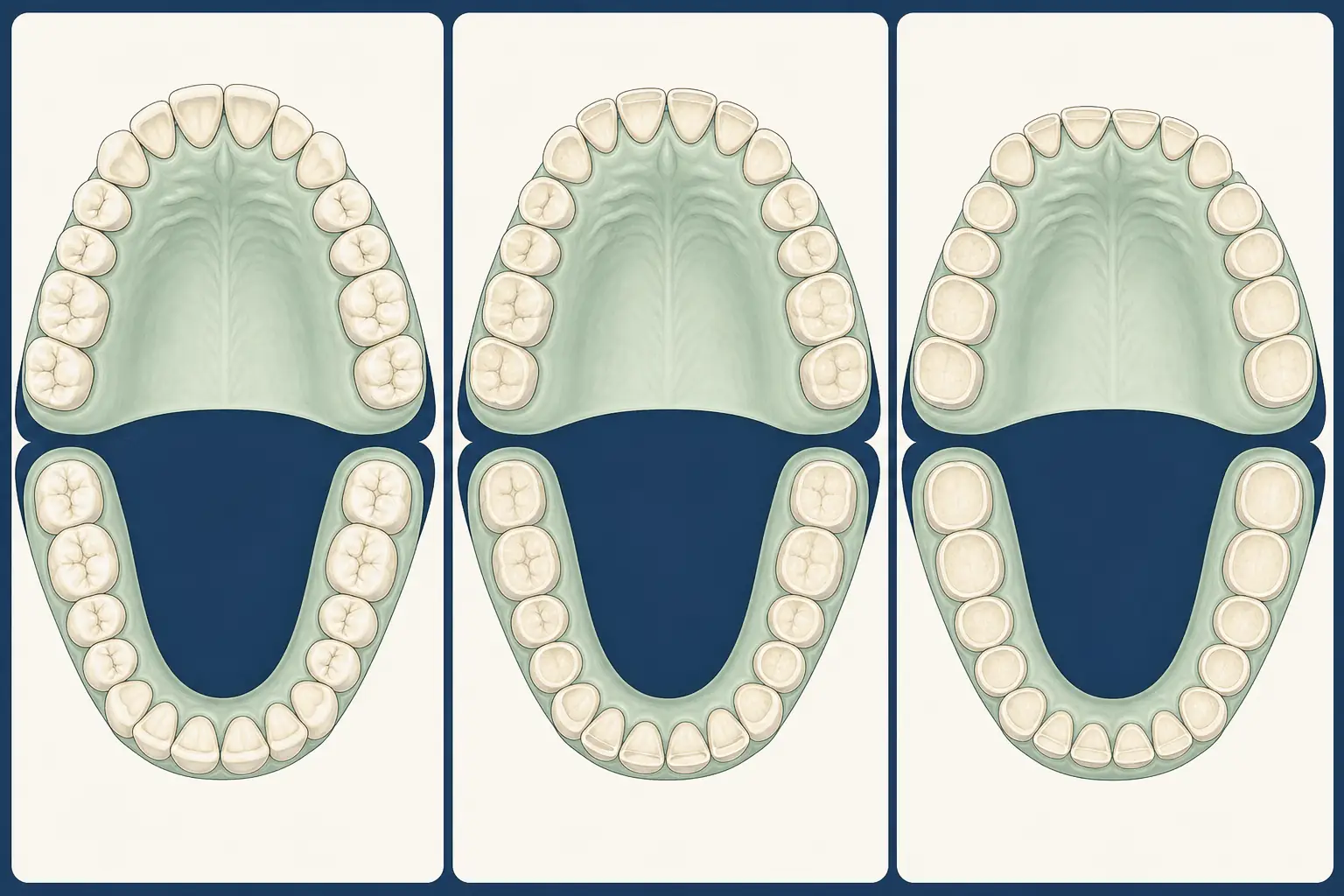
Thread floss below the pontic
Once the floss is under the bridge, move it along the gum surface Clean around each abutment tooth, the teeth that support the bridge The same threader-and-floss method is used to reach both the gumline beneath the bridge and the surfaces around those supporting teeth
[1][2]| Answer part | What the research shows |
|---|---|
| Direct answer | Use a floss threader to carry regular floss beneath the bridge, then sweep the floss beside the gums and around each supporting tooth.[1][2] |
| What changes it | An interdental cleaning aid designed to pass beneath a bridge can be used for this space.[1][2] |
Other aids for the space under a bridge
Match the technique to your bridge
Bridge designs can differ A dentist or hygienist can demonstrate the appropriate way to clean your specific bridge That demonstration can show how to pass the cleaning aid beneath the bridge and where to clean around its abutment teeth They can demonstrate the appropriate cleaning technique
[1][2]| Stage | Source-backed step |
|---|---|
| When to get help | Bridge designs can differ.[1][2] |
| Decision step | No. Standard floss does not reach below a bridge on its own. Use a floss threader to take regular floss beneath the pontic, then clean along the gums and around the supporting teeth.[1][2] |
How does this answer connect to the decision?
Frequently asked questions
Who wrote this page
This library is published by Dental Nation, a licensed dental group practising in the United Arab Emirates. Pages are written and overseen by the same clinical team that treats patients in our clinics, and are held to a fixed editorial standard for safety and accuracy.
This page is patient education, not medical advice, and cannot replace an examination. Anything urgent — facial swelling, trauma, uncontrolled bleeding or severe pain — needs a dentist or emergency care now.