
Child knocked out tooth?
Identify whether the missing tooth is a baby tooth or permanent tooth, then seek the appropriate urgent dental care
[4][5][6]The short answer
A child who has lost a tooth needs a response based on age, the tooth involved, symptoms, and stage of dental development Do not put a knocked-out primary tooth back into its socket because it can damage the developing permanent tooth below A knocked-out permanent tooth is treated differently and requires immediate dental attention
[4][5][6]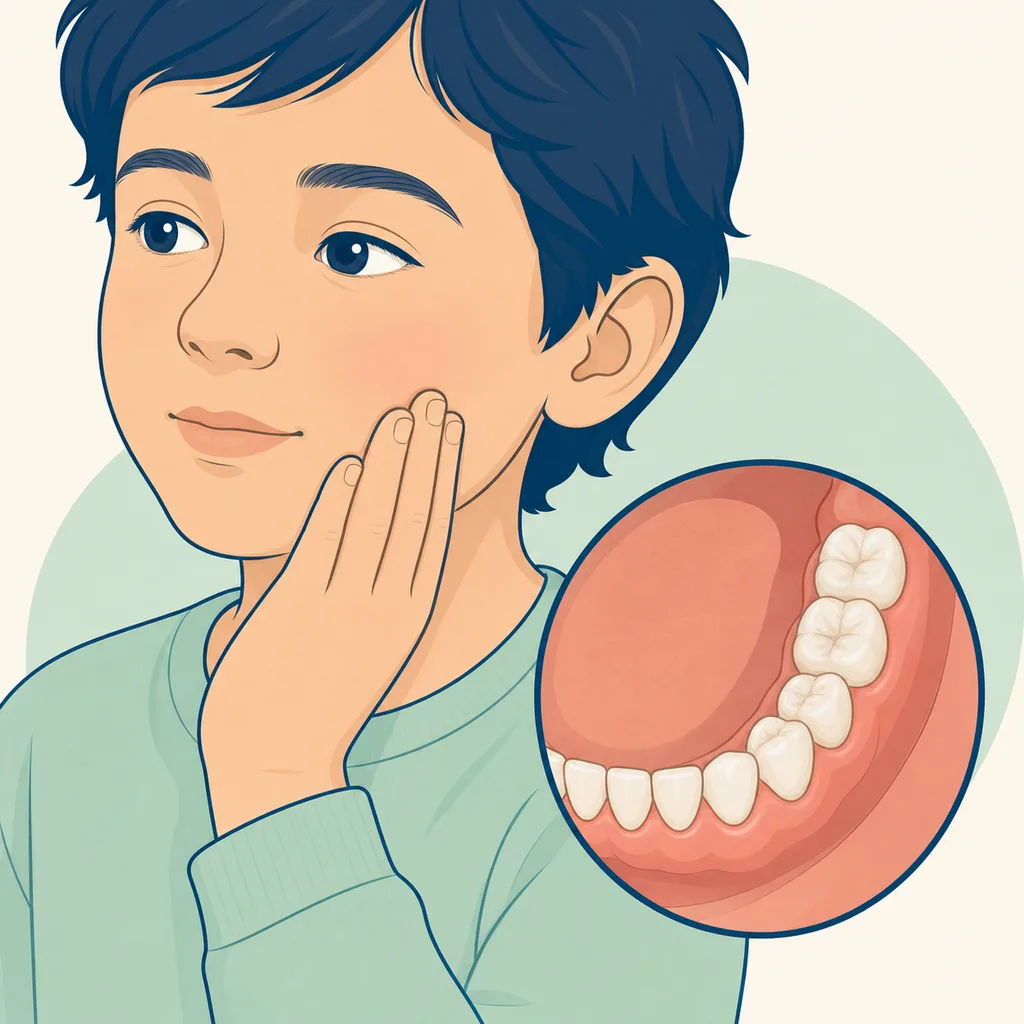
First, establish which tooth has come out
| Answer part | What the research shows |
|---|---|
| Direct answer | A child who has lost a tooth needs a response based on age, the tooth involved, symptoms, and stage of dental development.[4][5][6] |
| What changes it | The same injury can need a different approach depending on the child's age, the affected tooth, current symptoms, and development.[1][2] |
A child-specific examination sets the plan
The same injury can need a different approach depending on the child's age, the affected tooth, current symptoms, and development A paediatric dental examination can identify whether normal eruption, decay, infection, injury, or a bite concern is involved It gives the family an age-appropriate plan rather than treating every painful episode as teething
[1][2]Know when emergency medical care is needed
Promptly contact a dentist after significant dental trauma, a broken tooth, pain that cannot be controlled, continuing tooth pain, swelling of the face or jaw, or fever where a dental infection is suspected In the UAE, dial 998 when swelling disrupts breathing, swallowing, or speech Also call if it moves towards the eye or neck, follows major facial trauma, or is accompanied by bleeding that will not stop
[5][3][6]| Stage | Source-backed step |
|---|---|
| When to get help | Promptly contact a dentist after significant dental trauma, a broken tooth, pain that cannot be controlled, continuing tooth pain, swelling of the face or jaw, or fever where a dental infection is suspected.[5][3][6] |
| Decision step | Tell the dental team what happened, which tooth was lost, whether pain or swelling is present, and any relevant medical or treatment history.[2][4] |
Give the dentist the details that change care
Tell the dental team what happened, which tooth was lost, whether pain or swelling is present, and any relevant medical or treatment history Ask what finding supports the proposed next step and what change means that the family should call sooner A cavity that can be seen, damage to a tooth, facial swelling, or repeated pain needs assessment instead of being attributed to eruption alone
[2][4]Frequently asked questions
Why can a baby tooth not be put back,?
Reinserting a primary tooth may harm the permanent tooth that is forming underneath Dental assessment can account for the child's development and the specific tooth involved
[4][1]What makes a knocked-out permanent tooth urgent,?
A permanent tooth that has come out needs immediate dental attention Pick it up by its crown, avoid touching the root, and follow directions to keep it moist while seeking care
[4]Keep reading
Who wrote this page
This library is published by Dental Nation, a licensed dental group practising in the United Arab Emirates. Pages are written and overseen by the same clinical team that treats patients in our clinics, and are held to a fixed editorial standard for safety and accuracy.
This page is patient education, not medical advice, and cannot replace an examination. Anything urgent — facial swelling, trauma, uncontrolled bleeding or severe pain — needs a dentist or emergency care now.