
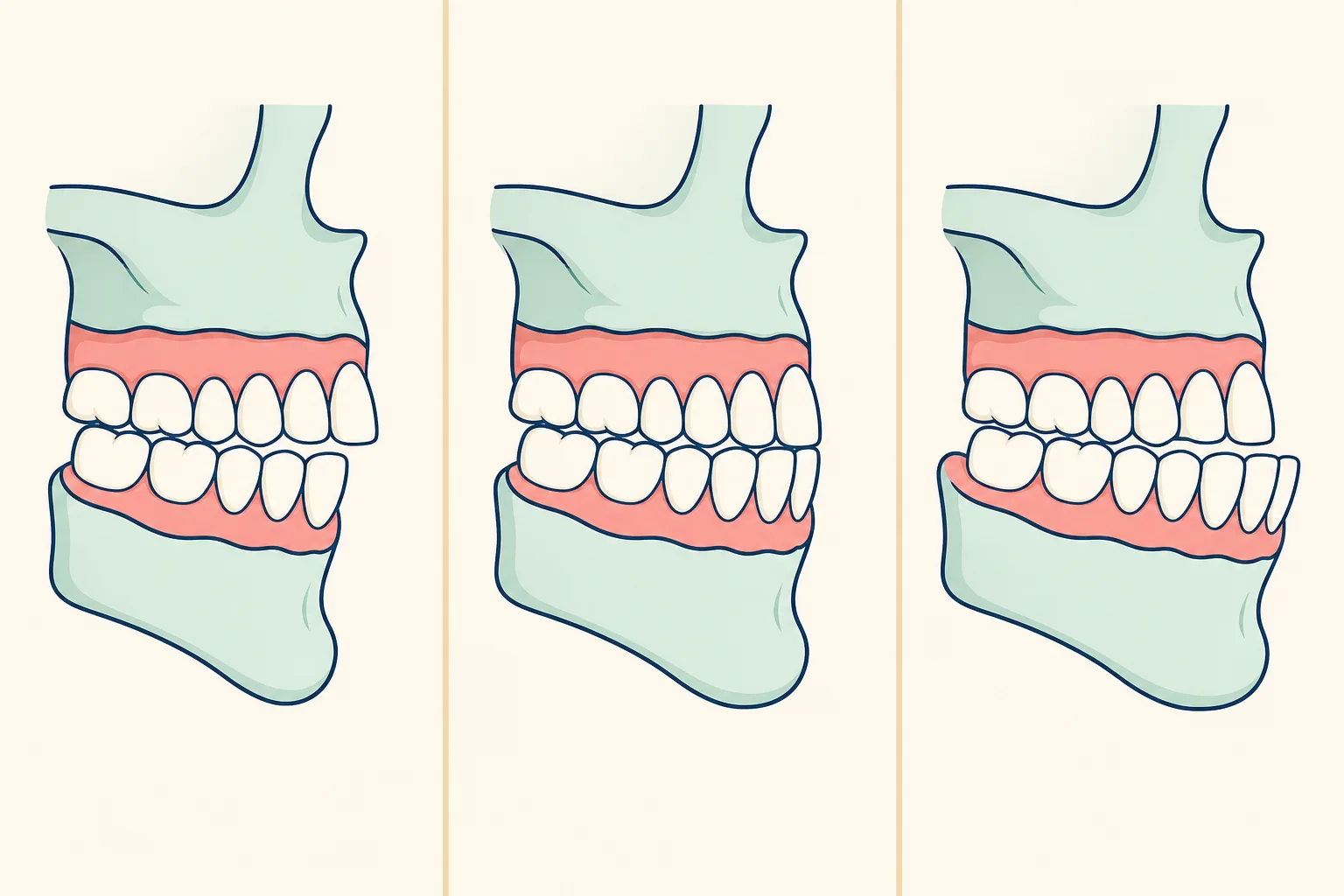
What the change looks like
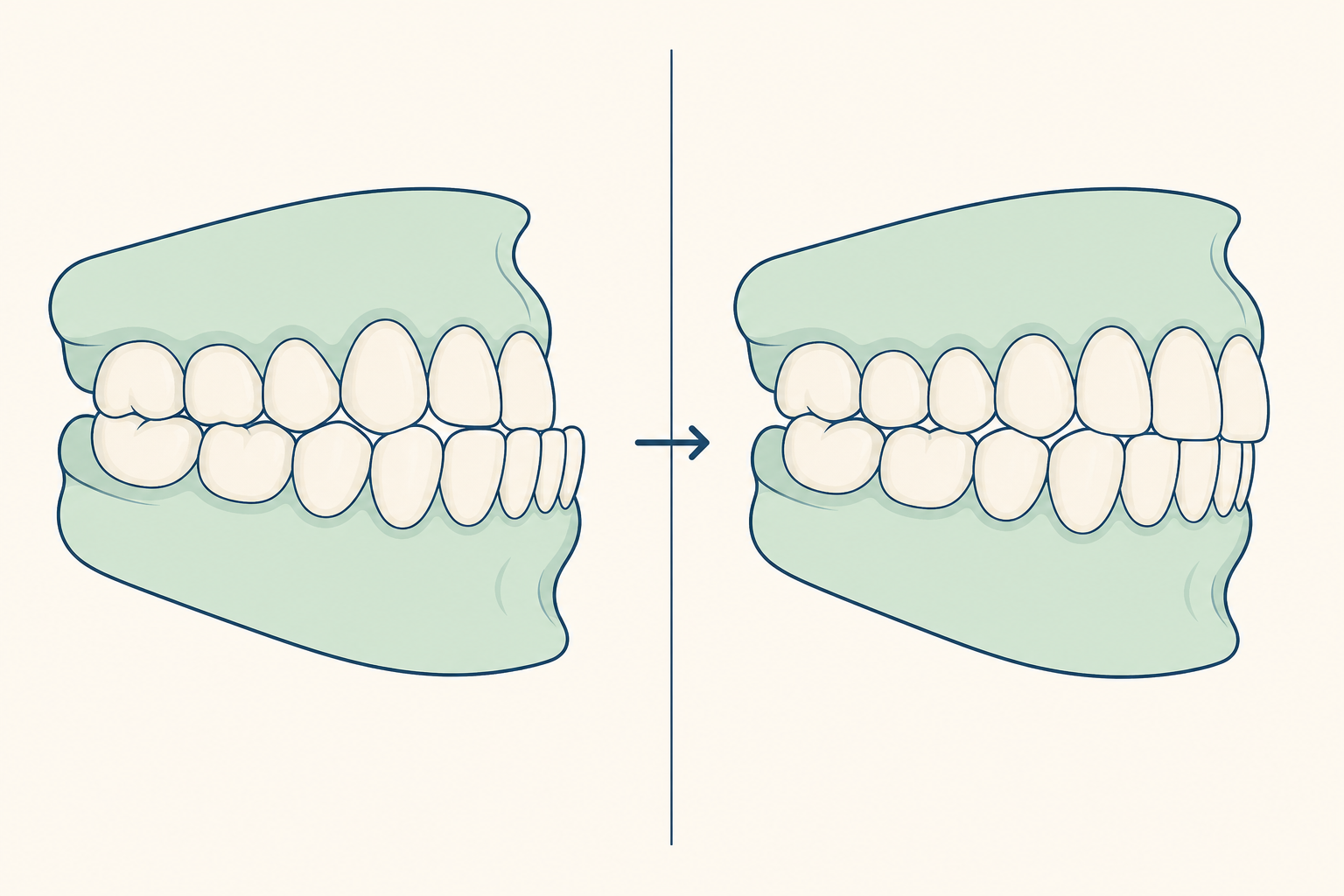
What does an underbite look or feel like?
A misaligned bite can make biting or chewing uncomfortable, alter facial appearance, and sometimes affect speech. The lower teeth may meet the upper teeth in an unusual position rather than fitting into the opposing molar grooves.
[1]Why does an underbite happen?
When can an underbite be noticed?
What can make the bite pattern more likely?
How is an underbite assessed?
How can an underbite be treated?
What affects the cost of correcting an underbite?
What problems can an underbite cause?
Moderate or severe malocclusion can strain teeth, jaws, and muscles. It can also make cleaning harder, increasing the risk of tooth decay and gum disease; orthodontic appliances can irritate gums and make chewing or speaking difficult during treatment.
[1]Can an underbite be prevented?
Frequently asked questions
Who wrote this page
This library is published by Dental Nation, a licensed dental group practising in the United Arab Emirates. Pages are written and overseen by the same clinical team that treats patients in our clinics, and are held to a fixed editorial standard for safety and accuracy.
This page is patient education, not medical advice, and cannot replace an examination. Anything urgent — facial swelling, trauma, uncontrolled bleeding or severe pain — needs a dentist or emergency care now.