
Natal Teeth
Natal teeth are present at birth; mobility, feeding difficulty, and a sore tongue are the practical concerns that need prompt attention.
[1][2]The short answer
Natal teeth are present at birth, and the important checks are mobility, feeding, and injury to the baby's tongue.
[1][2]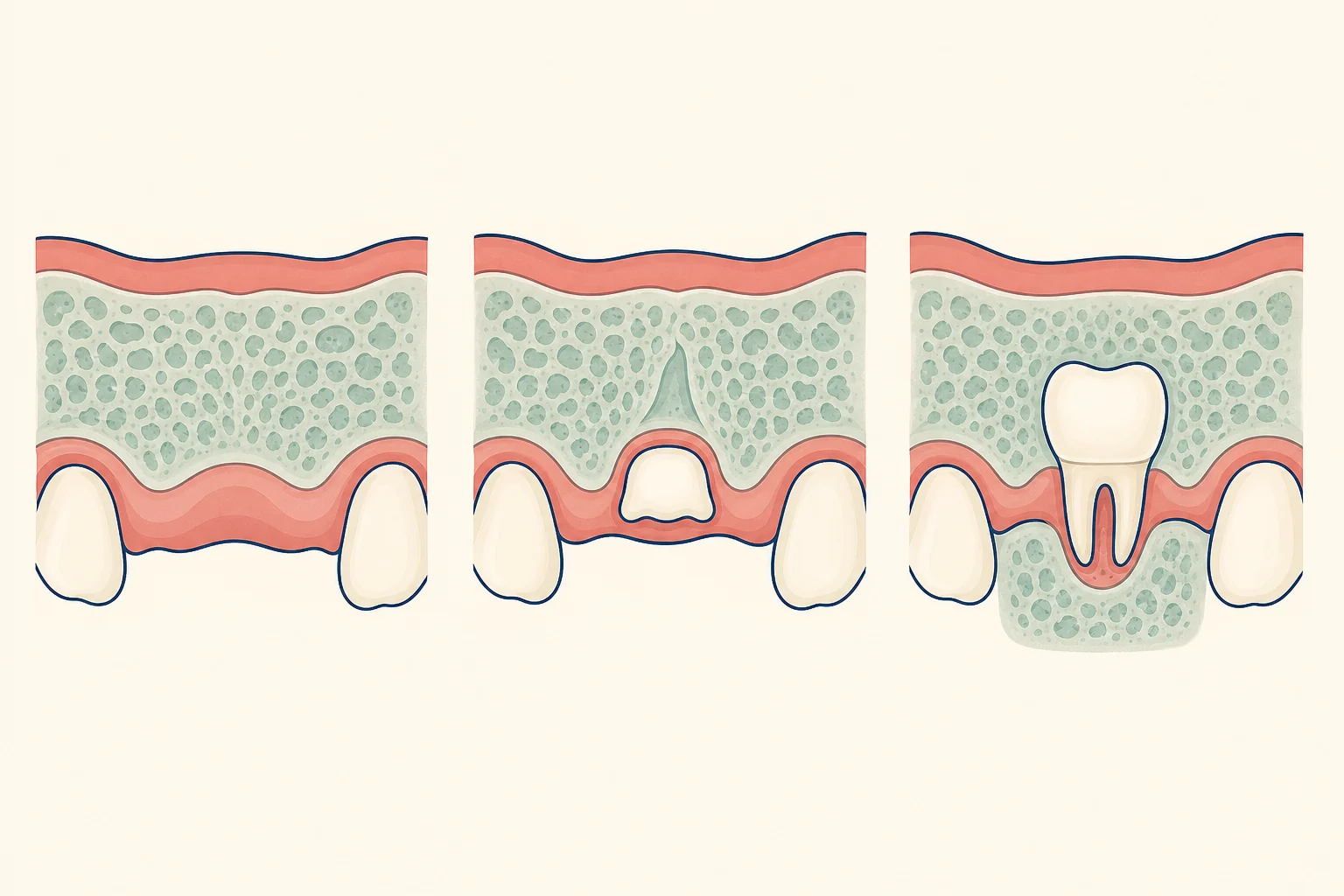
What the change looks like
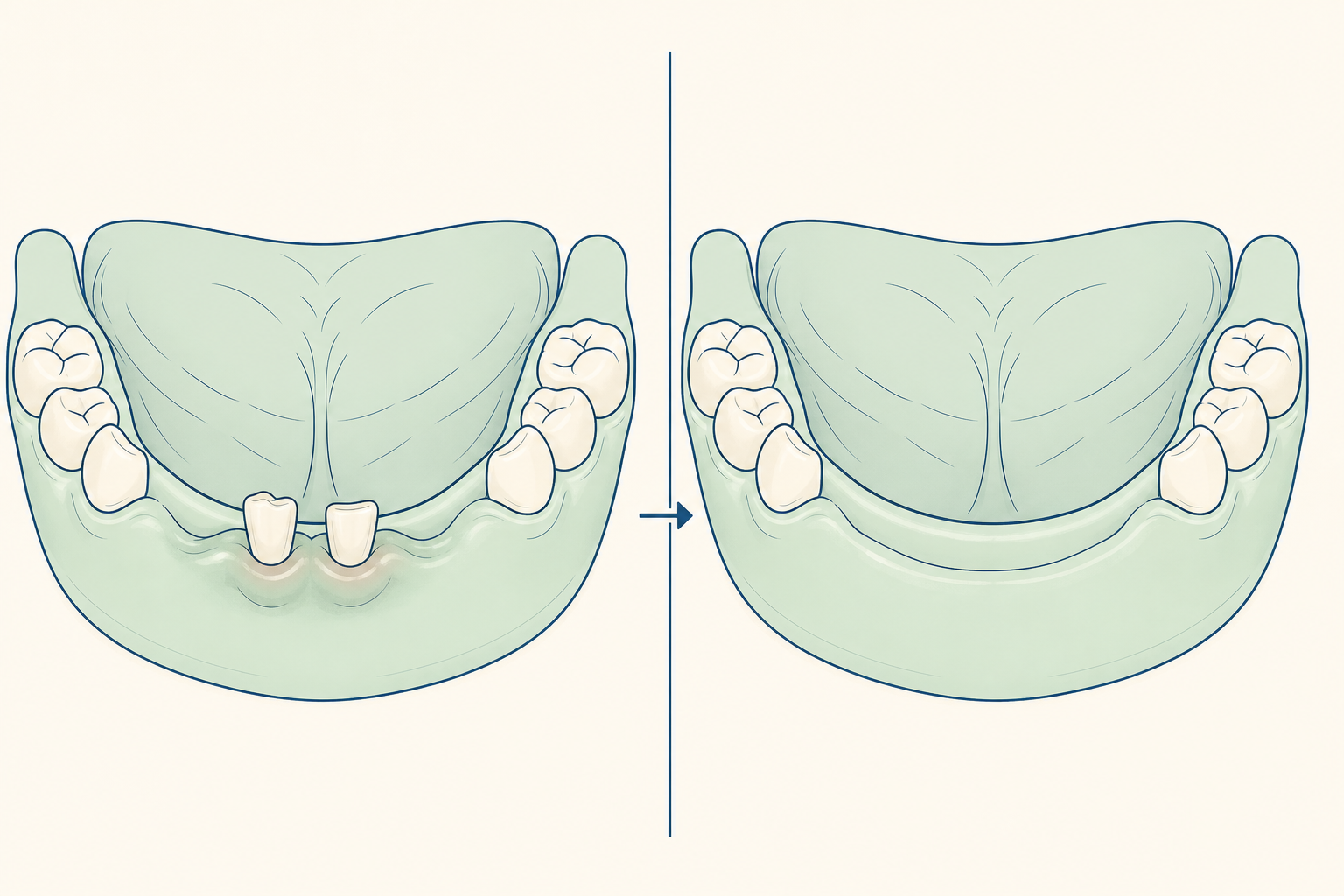
What might you notice with natal teeth?
Some babies feed without difficulty. Others may have trouble latching or feeding comfortably, and a sharp tooth edge can irritate the underside of the tongue. A tooth that seems loose needs prompt assessment.
[2]Why can a tooth be present at birth?
Natal teeth are defined by timing: they are already present when a baby is born. The practical concerns are whether the tooth is stable, interferes with feeding, or rubs against the tongue.
[2]How is the concern assessed?
Natal teeth are not managed by a fixed stage chart. The practical assessment separates a stable tooth that is not causing harm from a tooth that is mobile, disrupting feeding, or injuring the tongue. This distinction helps the clinician decide whether observation, a protective adjustment, or removal is appropriate.
[2]Which features need closer attention?
Mobility is the main safety concern because a very loose natal tooth can come out and be swallowed or aspirated. Feeding difficulty and a sore area under the tongue are also reasons for prompt assessment.
[2]How will the dentist examine a natal tooth?
The examination checks whether the tooth is mobile, how it relates to nearby tissues, and whether feeding has been affected. The clinician also looks for trauma on the tongue. These findings guide the decision about keeping, modifying, or removing the tooth. A dental assessment is more useful than judging risk from a photo alone.
[2]What treatment may be considered?
Care depends on the findings. A stable natal tooth that is not harming the tongue or feeding may be retained with professional advice. When a tooth is mobile, causes feeding problems, or produces tongue trauma, the clinician may consider treatment, including removal when indicated. The choice is made for the infant's specific findings.
[2]What should you ask about the appointment cost?
The cost is shaped by the infant examination and whether the tooth can remain safely in place or needs treatment because it is mobile, interferes with feeding, or injures the tongue.
[2]What can happen if a natal tooth is causing a problem?
A natal tooth can injure the underside of the tongue or make feeding difficult. If a very mobile tooth comes out, there is a risk that the baby may swallow or aspirate it.
[2]How can you protect your baby's mouth while waiting for care?
Parents should not pull or file a natal tooth at home; prompt assessment is the practical safeguard when it is loose, feeding is difficult, or the tongue is sore.
[2]Frequently asked questions
Do natal teeth always need to be removed?
No. A stable natal tooth may be retained, while a mobile tooth or one causing feeding or tongue problems may need treatment.
[2]When should I seek prompt help for a natal tooth?
Seek prompt dental assessment if the tooth is very loose, feeding is difficult, or the baby's tongue is being injured.
[2]