Dental Nation
Treatment comparison

Brand vs category confusion

Lumineers are a veneer brand, while veneers include porcelain and composite restorations with different preparation and wear characteristics.

[1][2][3]

The short answer

Lumineers are a branded veneer option, while veneers are the wider category that includes porcelain and composite restorations.

[1][2][3]
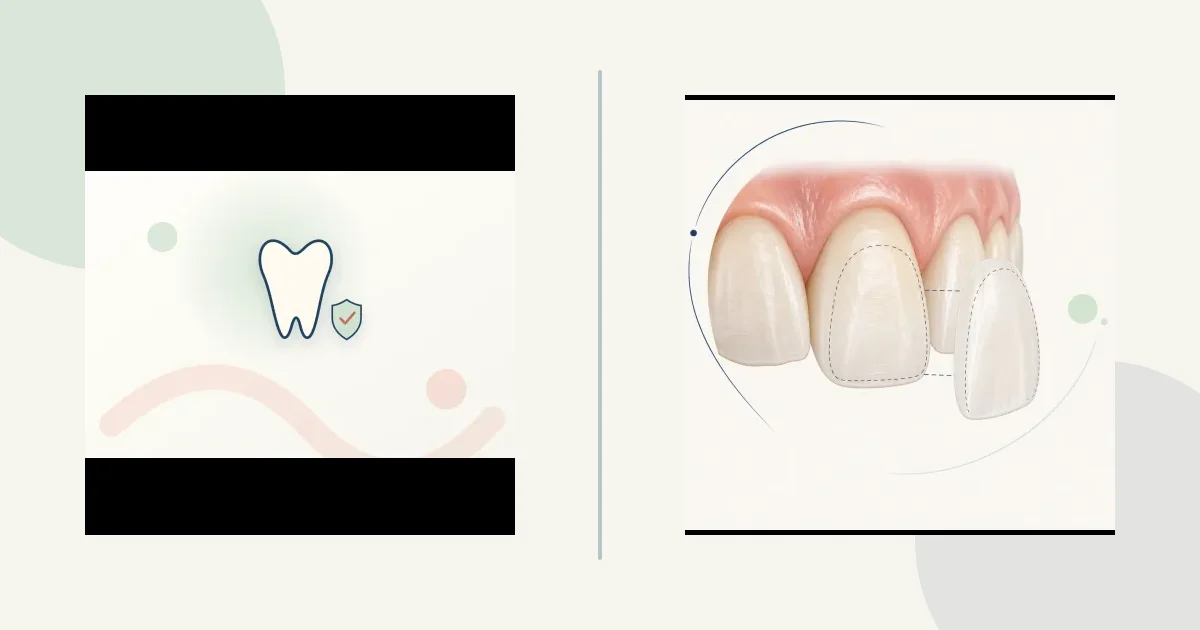
Brand vs category confusion comparison graphic

The two options, side by side

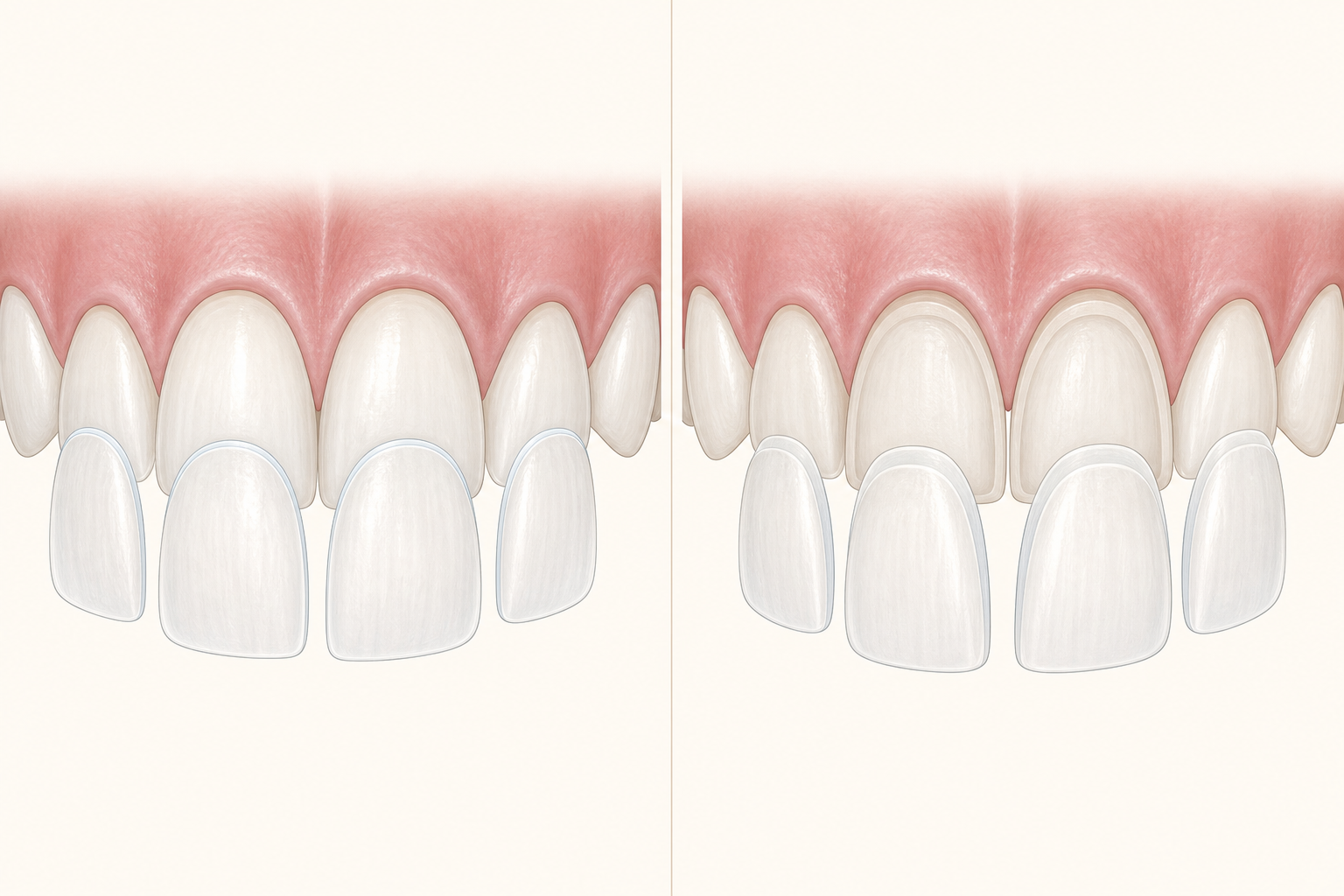
Illustrative diagram: lumineers vs veneers
Illustration — a representative diagram, not a patient photo.
The DN Glow Up1,699 AED
Book The DN Glow Up

Is Lumineers a different treatment from veneers?

Brand and category distinction
TermWhat it refers to
VeneersThe two main types are porcelain and composite veneers.[1][2][3]
LumineersA branded veneer option within the wider veneer category.[1][3]

[1][2][3]

When is a conventional veneer category the useful starting point?

Porcelain veneers are thin custom-made shells for the front of teeth. Composite veneers are tooth-coloured filling material bonded to the tooth and may need fewer visits and less enamel removal.

[1][2][3]

When does the Lumineers label matter?

The label identifies a branded veneer option; the clinical questions remain the restoration material, the preparation involved, tooth health and the expected long-term result.

[1][3]

What cost distinction is supported?

Porcelain tends to be the more expensive veneer type. Composite can require fewer visits and uses bonded filling material, while porcelain is a custom-made shell.

[1][2][3]

How do veneer materials wear?

Porcelain is strong and long-lasting. Composite is easier to fix after damage but is less stain- and wear-resistant, and a veneer can chip, crack, wear down or loosen.

[1][2]
Wear and repair considerations
MaterialRelevant point
PorcelainPorcelain veneers are strong, long-lasting and natural-looking.[1][2][3]
CompositeComposite is easier to fix if damaged but is not as stain- or wear-resistant.[1][2][3]

[1][2][3]

What needs caution before any veneer?

Veneer placement on unhealthy teeth can worsen decay or gum disease. Infection and nerve damage are potential risks when veneers are placed by unlicensed individuals.

[1][2]

When might neither option be suitable?

Clenching, grinding and a deep overbite can make veneers unsuitable. Evidence for no-preparation ceramic veneers does not yet establish definitive long-term clinical outcomes.

[1][2]

What happens in a veneer procedure?

Porcelain veneer placement includes choosing a shade, removing a small amount of enamel, making an impression or 3D model, laboratory fabrication, fit checks and bonding.

[1][2]

Frequently asked questions

Are no-preparation veneers proven to last long term?

Further controlled research is needed before a definitive statement can be made about the long-term outcomes of no-preparation ceramic veneers.

[1][2]