Dental Nation
Treatment comparison

Drill-free caries arrest

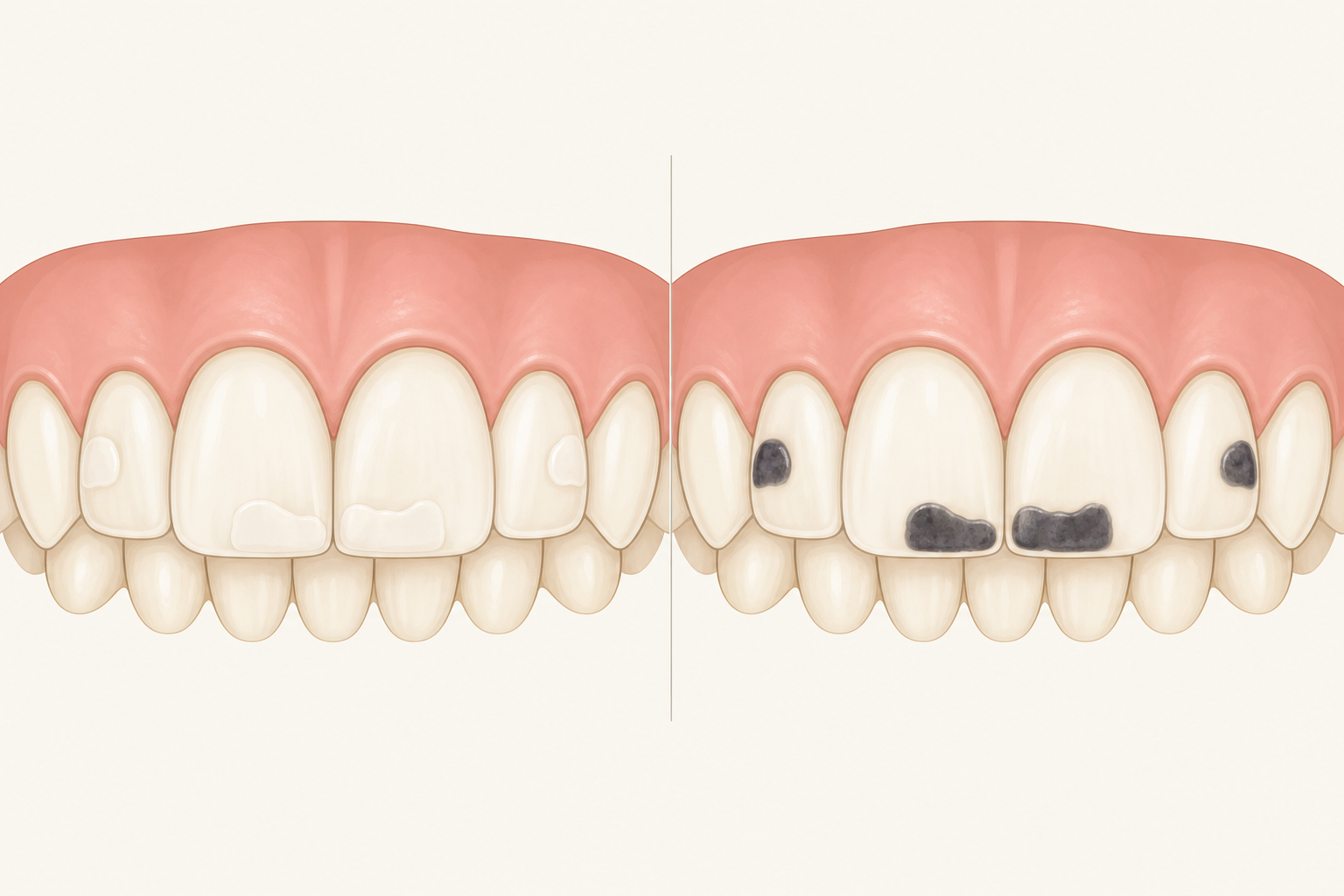
Silver diamine fluoride can arrest a child’s cavity without drilling, while a filling removes decay and restores the tooth.

[1][2]

The short answer

Silver diamine fluoride can arrest a child’s cavitated decay without drilling, while a filling removes decay and restores the tooth.

[1][2]
Drill-free caries arrest comparison graphic

The two options, side by side

Illustrative diagram: kids fillings vs silver diamine fluoride
Illustration — a representative diagram, not a patient photo.
The DN First Look799 AED
Book The DN First Look

What is the difference between a filling and SDF?

Fillings and silver diamine fluoride
OptionMain actionWhat the evidence describes
FillingDecay is removed and the space is filled with a materialRestores the tooth after caries removal[1][2]
Silver diamine fluorideApplied to carious tooth structure without drillingArrests caries and is used in children and adolescents[1][2]

[1][2]

Fillings and silver diamine fluoride: at a glance
OptionMain actionWhat the evidence describes
FillingDecay is removed and the space is filled with a materialRestores the tooth after caries removal[1][2]
Silver diamine fluorideApplied to carious tooth structure without drillingArrests caries and is used in children and adolescents[1][2]

[1][2]

When does a filling fit the problem?

A filling is the repair route when decayed tooth structure is removed and the space is restored with a filling material. Composite fillings are tooth-coloured, while amalgam fillings are silver-coloured.

[1][2]

When can SDF be useful?

Silver diamine fluoride is used to arrest cavitated caries in primary teeth. It is included in caries management for children and adolescents, including children with special health care needs.

[1][2]

Which option costs less?

These routes involve different work: a filling removes decay and rebuilds the prepared tooth, while silver diamine fluoride is applied to arrest a cavitated lesion as part of wider caries management.

[1][2]

What happens after treatment?

Fillings and crowns do not last forever and may need replacement. With silver diamine fluoride, studies reported caries arrest at two years with once- or twice-yearly application.

[1][2]

What are the drawbacks?

A filling removes decayed structure before restoring the tooth. Silver diamine fluoride contains silver and fluoride, and it is applied within a comprehensive caries-management programme for cavitated primary-tooth lesions.

[1][2]

When is neither approach enough?

Neither treatment reverses the cause of repeated acid attacks on enamel. Early mineral loss can be repaired by saliva and fluoride, but once enamel breaks down into a cavity, the tooth needs a repair or caries-arrest plan.

[1][2]

How is the treatment choice framed?

The decision begins with the treatment aim: remove decayed tissue and restore the tooth, or arrest a cavitated lesion without drilling. The amount of decay and the child’s wider caries-management needs shape that choice.

[1][2]

Frequently asked questions

Does SDF remove a cavity like a filling does?

No. SDF is applied to arrest caries without drilling, whereas a filling removes decayed tooth structure and fills the space.

[1][2]

Sources used for this guide

  1. OverviewAmerican Academy of Pediatric Dentistry · 2026-07-21
  2. Dental Fillings InformationNational Institute of Dental and Craniofacial Research · 2026-07-21