Dental Nation
Treatment comparison

Stainless steel crown or filling for baby teeth

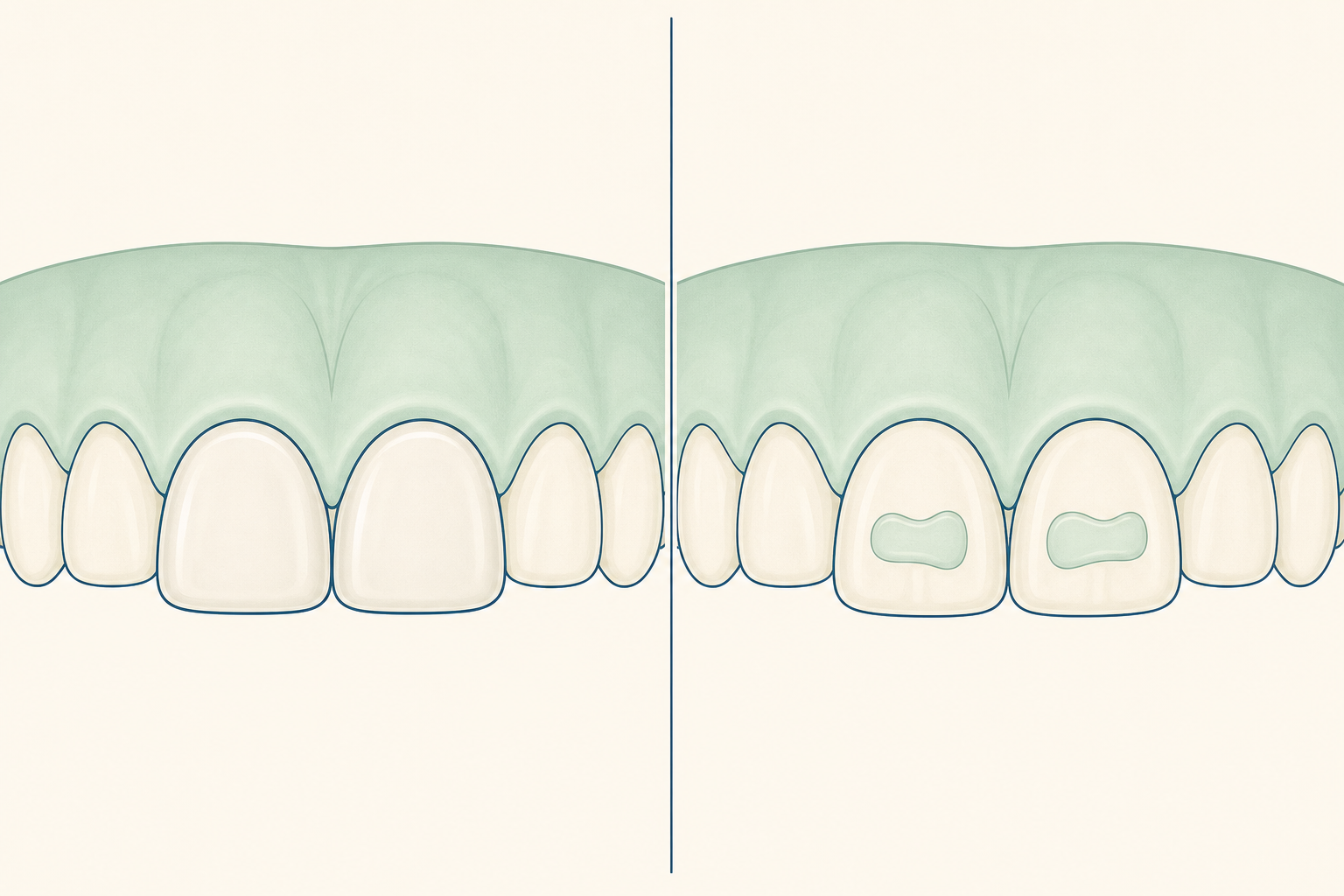
A stainless steel crown covers a badly damaged baby tooth, while a filling restores a smaller prepared area.

[1][2]

The short answer

A crown covers and protects a heavily damaged baby tooth, while a filling restores a smaller prepared area after decay removal.

[1][2]
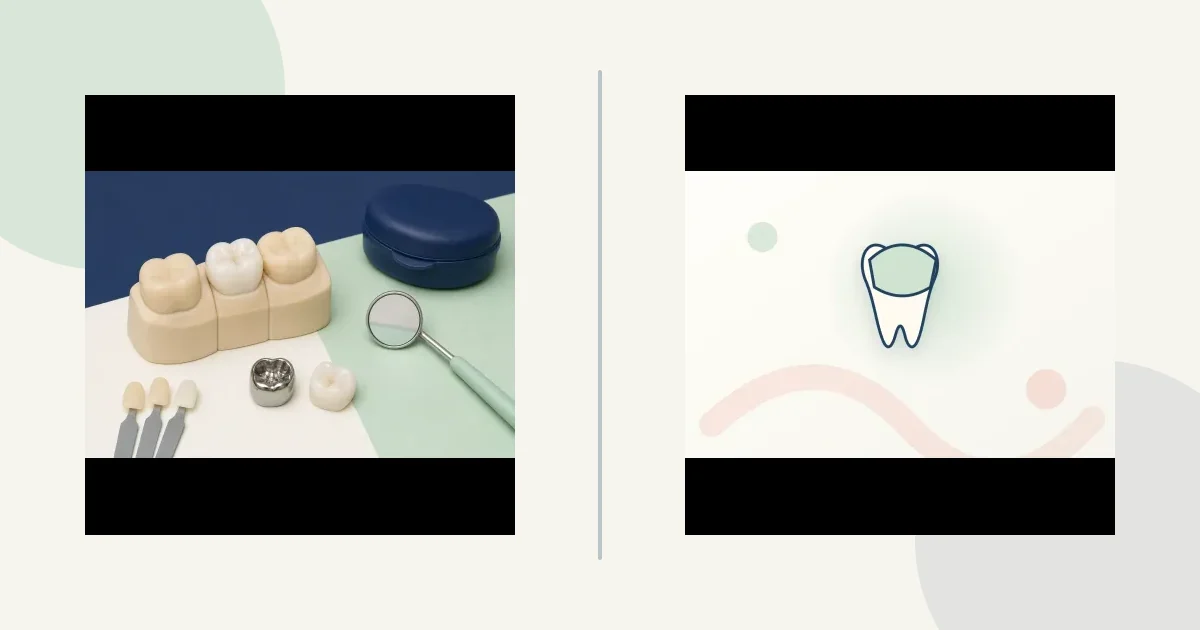
Restoring baby molars (stainless-steel crowns = kids-crowns, stated on-page) comparison graphic

The two options, side by side

Illustrative diagram: kids crowns vs kids fillings
Illustration — a representative diagram, not a patient photo.
The DN First Look799 AED
Book The DN First Look

Which repair suits a baby tooth?

Crown and filling compared for primary teeth
OptionTooth situationTreatment role
Pediatric crownExtensive damage or a tooth needing full coverageCovers and protects the remaining tooth[1][2]
FillingSmaller area of decay after removalRestores the prepared area with a restorative material[1][2]

[1][2]

Crown and filling compared for primary teeth: at a glance
OptionTooth situationTreatment role
Pediatric crownExtensive damage or a tooth needing full coverageCovers and protects the remaining tooth[1][2]
FillingSmaller area of decay after removalRestores the prepared area with a restorative material[1][2]

[1][2]

When is a crown the stronger option?

Choose a crown when a primary tooth has extensive damage and needs full coverage. Stainless steel crowns are used on posterior primary teeth with extensive caries or after pulp therapy.

[1][2]

When can a filling be enough?

Choose a filling when the decayed area can be prepared and restored while retaining enough sound tooth structure. Minimally invasive care aims to conserve healthy tissue when a smaller repair can work.

[1][2]

Which repair uses more material?

The treatments differ in the amount of tooth they cover: a crown encloses the tooth, while a filling repairs the prepared area. That difference changes the restorative work involved.

[1][2]

How do the repairs protect the tooth?

Crowns protect the remaining baby tooth through full coverage. Fillings restore the smaller area after decay removal, so their role depends on the amount of sound tooth still available.

[1][2]

What are the treatment trade-offs?

Full coverage is a larger restoration than a small filling. When a tooth can be treated with a smaller repair, conserving sound tooth structure is part of minimally invasive restorative care.

[1]

When might neither repair be right?

Neither restoration replaces prevention of further decay. Frequent sugar and starch exposure lets bacteria make acid, and repeated acid exposure can continue to weaken enamel around other tooth surfaces.

[1][2]

What guides the choice?

Look at how much of the baby tooth is damaged and how much sound structure remains. Extensive caries or a tooth treated after pulp therapy points toward coverage, while a limited prepared area can be restored with a filling.

[1]

Frequently asked questions

Why might a baby tooth need a crown instead of a filling?

A crown provides coverage when the primary tooth has extensive damage or needs more protection than a smaller restored area can provide.

[1][2]