
Dental Nation
Treatment comparison

Emax, PFM, or zirconia crowns

Emax and zirconia are ceramic crown materials; PFM combines porcelain with a metal substructure.

[1][2]

The short answer

Emax uses lithium-disilicate ceramic, zirconia is ceramic, and PFM combines porcelain with a metal substructure.

[1][2]
Crown-material master page comparison graphic

The two options, side by side
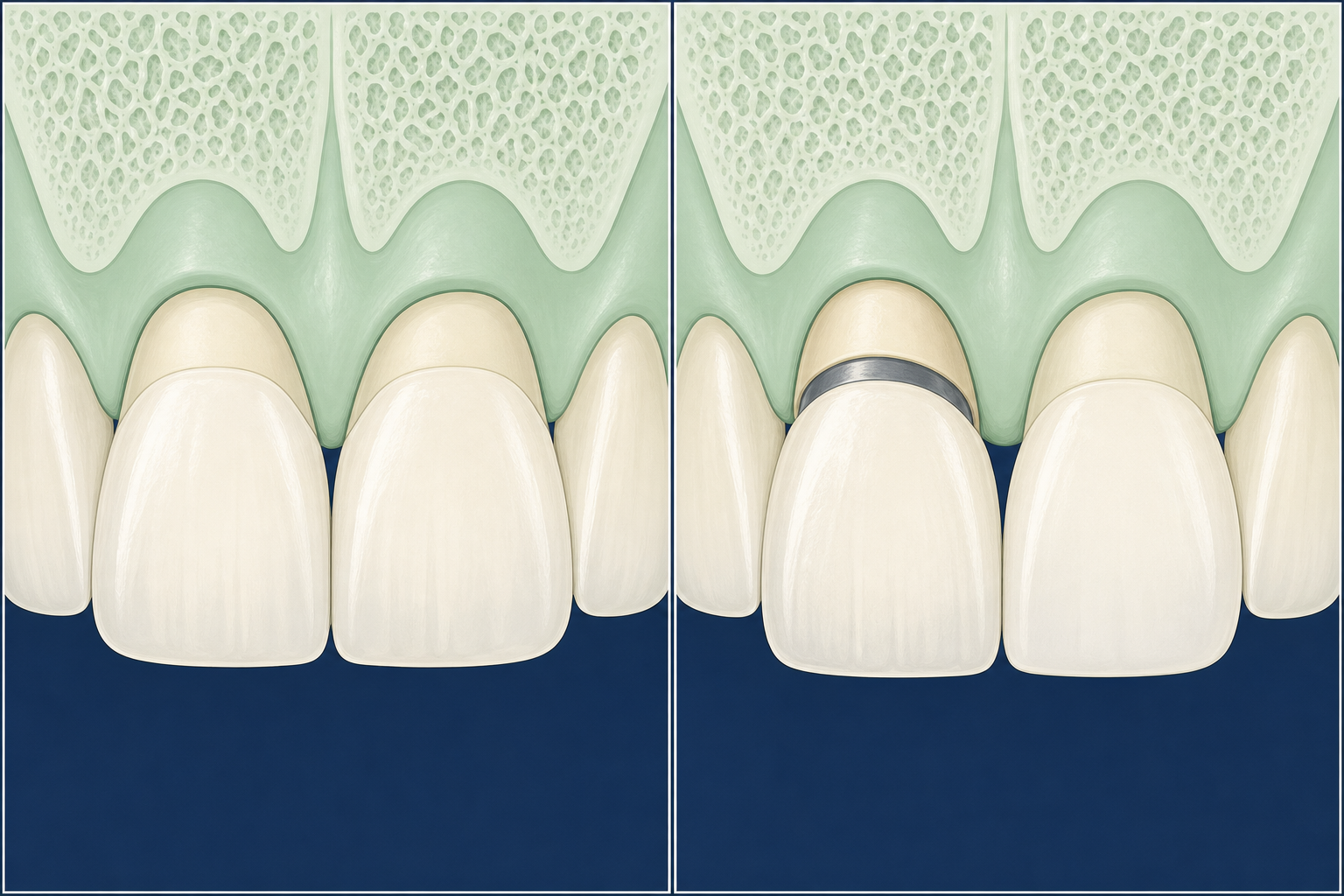
Illustrative diagram: emax crowns vs pfm crowns vs zirconia crowns
Illustration — a representative diagram, not a patient photo.
The DN First Look799 AED
Book The DN First Look

How do the crown materials differ?

Material comparison
CrownCore materialMain distinction
EmaxLithium disilicate ceramicAll-ceramic crown material[1][2]
PFMMetal with porcelain fused over itCombines a metal structure and porcelain surface[1][2]
ZirconiaZirconia ceramicCAD/CAM ceramic crown material[1][2]

[1][2]

Choose an all-ceramic route if appearance is central

Emax and zirconia are both ceramic routes, so the material comparison starts with whether an all-ceramic crown is wanted rather than a porcelain-covered metal structure.

[1][2]

Choose PFM when a metal-backed design is intended

PFM is the option in this group that combines a metal substructure with a porcelain outer layer.

[1][2]

What affects the crown comparison?

The published review compares clinical and cost-effectiveness questions for PFM and all-ceramic crowns; the material choice is therefore not only a colour decision.

[1][2]
Crown material structures
MaterialStructure
EmaxLithium-disilicate ceramic.[1][2]
PFMPorcelain fused to a metal structure.[1][2]
ZirconiaCAD/CAM ceramic crown material.[1][2]

[1][2]

What is known about outcomes?

Systematic review evidence evaluates outcomes for lithium disilicate, zirconia, and conventional crowns, including fixed partial dentures.

[1][2]

What should be weighed with the material?

The evidence compares clinical outcomes across crown materials, so strength, fit, appearance, and the tooth being restored all belong in the material decision. Published comparisons examine conventional crowns and fixed partial dentures as well as lithium-disilicate and zirconia restorations. That scope matters because the material is part of a finished restoration, rather than a separate cosmetic coating.

[1][2]

When is a crown comparison premature?

A crown material should not be chosen as an isolated cosmetic label; the evidence concerns full crowns and fixed partial dentures in clinical use.

[1][2]

What should settle the choice?

Compare the ceramic or metal-backed structure, the clinical outcome evidence, and the cost-effectiveness question before selecting Emax, PFM, or zirconia. Emax belongs to the lithium-disilicate ceramic group, zirconia is also a ceramic material, and PFM has porcelain over metal. These construction differences are the starting point for a crown discussion, alongside the tooth that needs restoring. Cost-effectiveness comparisons of PFM and all-ceramic crowns show why material choice goes beyond colour alone.

[1][2]

Frequently asked questions

Is PFM an all-ceramic crown?

No. PFM uses porcelain fused to a metal structure, whereas Emax and zirconia are ceramic material options.

[1][2]