Dental Nation
Treatment comparison

Caries prevention for kids

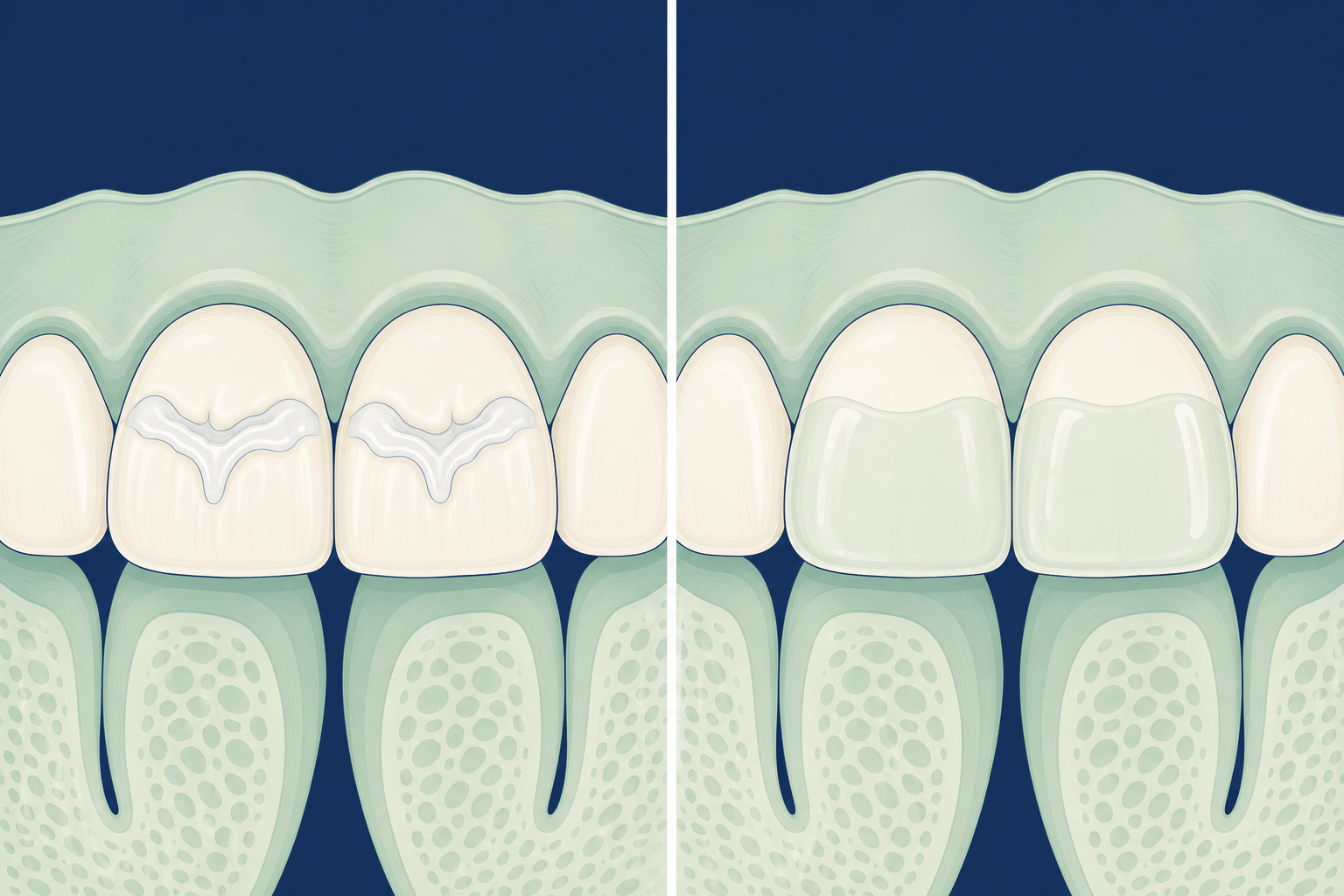
Molar sealants may prevent more groove decay than fluoride varnish during two to three years of follow-up.

[1][2]

The short answer

On sound or early-decay molar grooves, sealants may prevent more occlusal decay than fluoride varnish over two to three years.

[1][2]
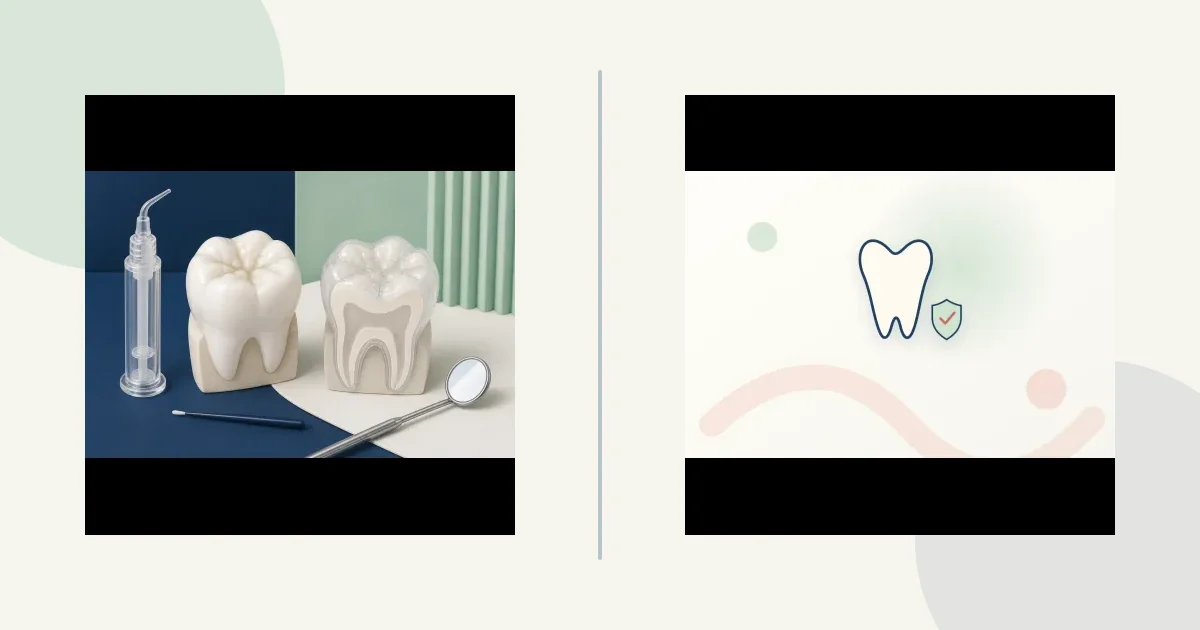
Caries prevention for kids comparison graphic

The two options, side by side

Illustrative diagram: dental sealants vs fluoride varnish
Illustration — a representative diagram, not a patient photo.
The DN First Look799 AED
Book The DN First Look

Which option prevents more decay?

Sealants and fluoride varnish compared
OptionWhere it is usedEvidence on decay prevention
Pit-and-fissure sealantsGrooves on primary and permanent molarsMay reduce occlusal caries more than fluoride varnish in sound permanent molars[1][2]
Fluoride varnishTopical fluoride preventionHelps prevent and control caries as part of fluoride therapy[1][2]

[1][2]

Sealants and fluoride varnish compared: at a glance
OptionWhere it is usedEvidence on decay prevention
Pit-and-fissure sealantsGrooves on primary and permanent molarsMay reduce occlusal caries more than fluoride varnish in sound permanent molars[1][2]
Fluoride varnishTopical fluoride preventionHelps prevent and control caries as part of fluoride therapy[1][2]

[1][2]

When do sealants make sense?

Sealants fit the chewing grooves of primary or permanent molars that are sound or have early decay without a cavity. They reduce decay on these occlusal surfaces and can be used with other prevention.

[1][2]

When is fluoride varnish the better fit?

Fluoride varnish is one topical fluoride option. Fluoride care can also include toothpaste, mouthrinse, gel or foam, while water and dietary fluoride add to a child’s total exposure.

[1][2]

What does the evidence say about value?

The useful comparison here is prevention rather than a stated price: trials found a 73% lower incidence of occlusal lesions with sealants than with varnish after two to three years in sound permanent molars.

[1][2]

How long does the prevention benefit last?

The head-to-head evidence follows children for two to three years. A sealant may be partly or fully lost, yet studies did not find more caries in those teeth than in teeth that had never been sealed.

[1][2]

Are sealants and fluoride varnish safe?

Two trials reported no sealant-related adverse events, and the brief exposure to the small amount of BPA in some sealants was not found to put patients at risk. Excess fluoride swallowed during early tooth development can contribute to fluorosis.

[1][2]

When might neither option be enough?

Neither option repairs a cavity. The sealant comparison applies to sound chewing surfaces and noncavitated lesions, while fluoride is part of prevention and caries control rather than a filling material.

[1][2]

How is the choice made?

Start with the surface: sealants target pits and fissures on molars. Then account for whether decay has formed a cavity, the child’s caries risk, and fluoride already coming from water, diet and home products.

[1][2]

Frequently asked questions

Can a child have sealants and fluoride varnish?

Sealants and fluoride are separate preventive interventions, and sealant use can be increased alongside other measures for children at elevated caries risk.

[1][2]

Sources used for this guide

  1. OverviewAmerican Academy of Pediatric Dentistry · 2026-07-21
  2. Fluoride TherapyAmerican Academy of Pediatric Dentistry · 2026-07-21