Dental Nation
Treatment comparison

Self-ligating marketing claims

Both brace systems use brackets and wires to move teeth; this guide explains fixed-treatment care, force, and practical risks.

[1][2]

The short answer

Traditional braces use brackets and wires fixed to the teeth to apply pressure that gradually moves teeth.

[1][2]
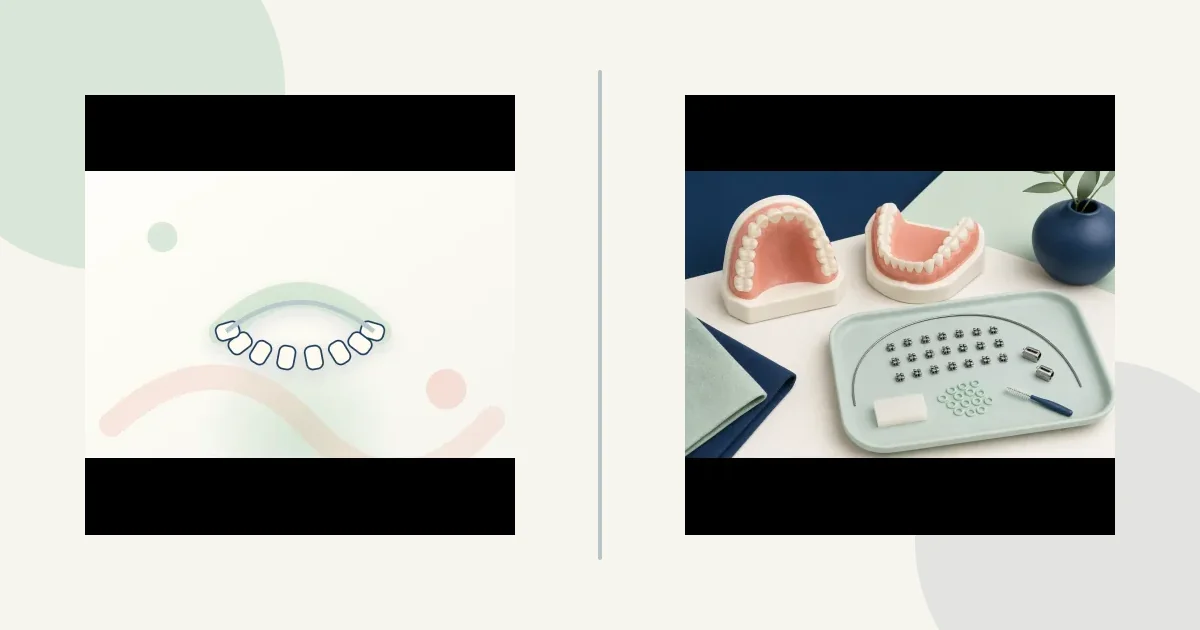
Self-ligating marketing claims comparison graphic

The two options, side by side

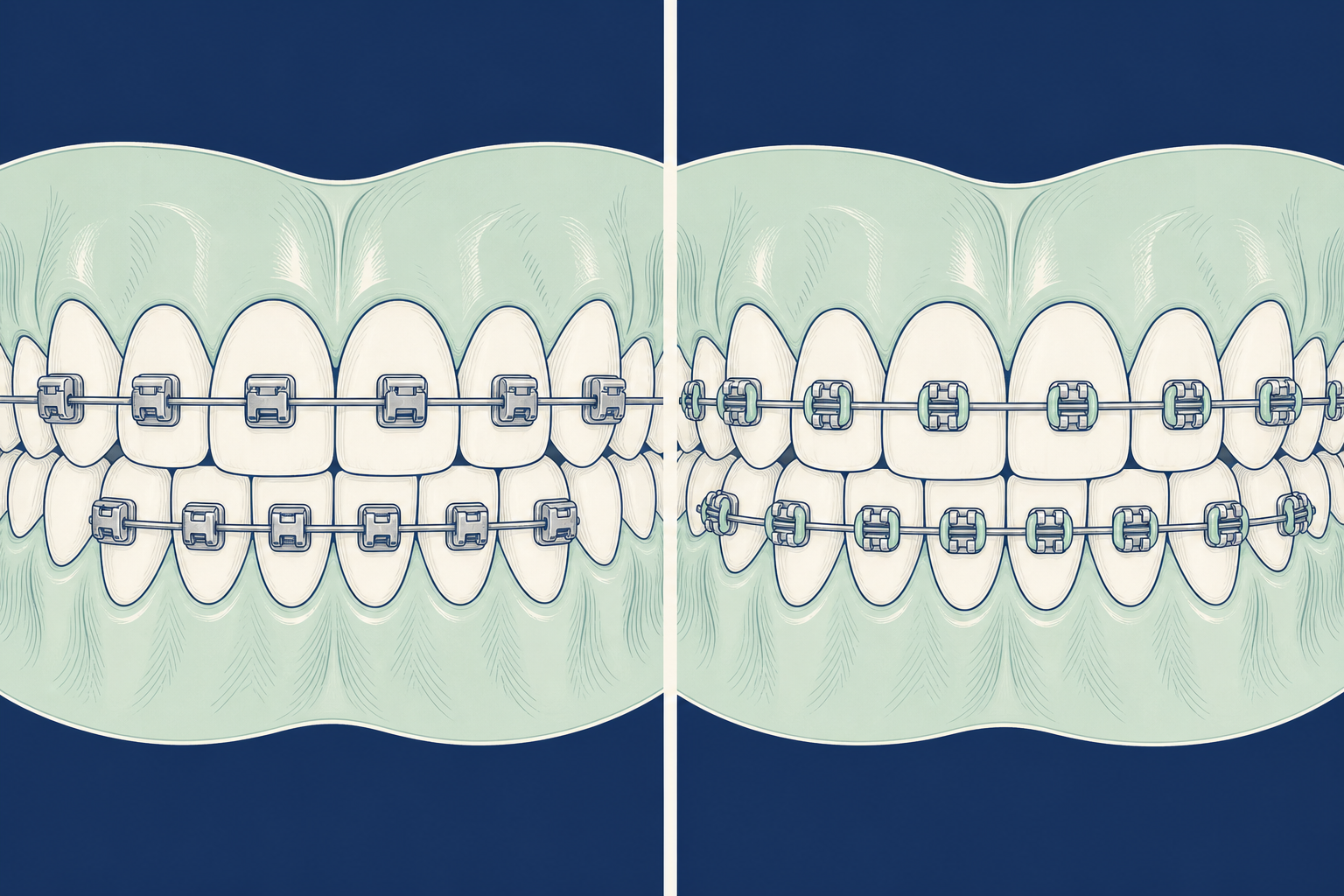
Illustrative diagram: damon braces vs traditional braces
Illustration — a representative diagram, not a patient photo.
The DN Scan499 AED · fully deducted if treatment starts within 30 days
Book The DN Scan

How do fixed braces move teeth?

Fixed-brace treatment basics
ElementRole
Brackets and wiresThey are affixed to the teeth and put pressure on them.[1][2]
Elastic bandsThey may add force to help move teeth and correct the bite.[1][2]

[1][2]

When is a fixed-brace approach useful?

Fixed braces can treat a wide range of malocclusions, including very bad bites or crooked teeth, and tend to work faster than other treatments.

[1][2]

What distinguishes a different brace design?

Advanced self-ligating brackets are an alternative brace option, while conventional braces use the familiar bracket-and-wire system that stays attached throughout treatment.

[1][2]

Which brace features can change the treatment route?

Ceramic brackets and advanced self-ligating brackets are alternative fixed-brace options, while elastic bands can provide extra force for tooth movement and bite correction.

[1][2]
Fixed-brace options
OptionDistinction
Ceramic bracesThey use tooth-coloured or clear brackets or wires.[1][2]
Self-ligating bracesThey are identified as an advanced alternative bracket option.[1][2]

[1][2]

What daily care do fixed braces need?

Use a soft-bristled toothbrush and fluoride toothpaste; water flossers and proxy brushes can help clean hard-to-reach areas around braces.

[1][2]

What can damage braces?

Hard and sticky foods can damage braces. Softer foods and smaller pieces of fruit and vegetables reduce that risk, and orthodontic wax can cover a sharp edge temporarily if a wire or bracket breaks.

[1][2]

When might another orthodontic option be considered?

Clear aligners are removable for eating and brushing and are typically used for light to moderate alignment issues, whereas fixed braces can handle a wider range of problems.

[2]

What should determine the brace choice?

The relevant comparison is the tooth movement and bite correction needed, because elastic bands, headgear, or palatal expanders may also be used when extra force or expansion is required.

[2]

Frequently asked questions

Can hard food break braces?

Yes. Hard and sticky foods can damage braces, so softer choices and smaller pieces of fruit and vegetables are advised.

[1][2]