Dental Nation
Treatment comparison

Composite or ceramic fillings

Direct composite repairs a tooth in place, while ceramic restoration uses an indirect, tooth-coloured material with wear and fracture trade-offs.

[1][2][3][4]

The short answer

Composite fillings are placed directly on tooth structure, while ceramic restorations are made indirectly and bring different wear and fracture considerations.

[1][2][3][4]
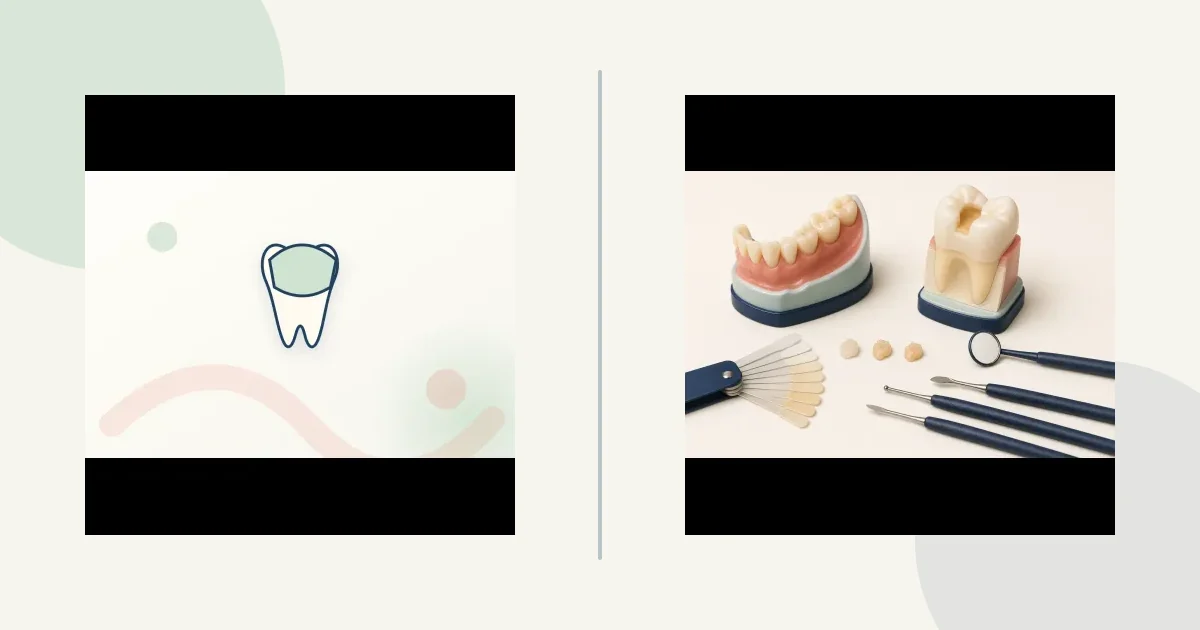
Direct vs lab-made (covers the generic "composite vs ceramic" decision) comparison graphic

The two options, side by side

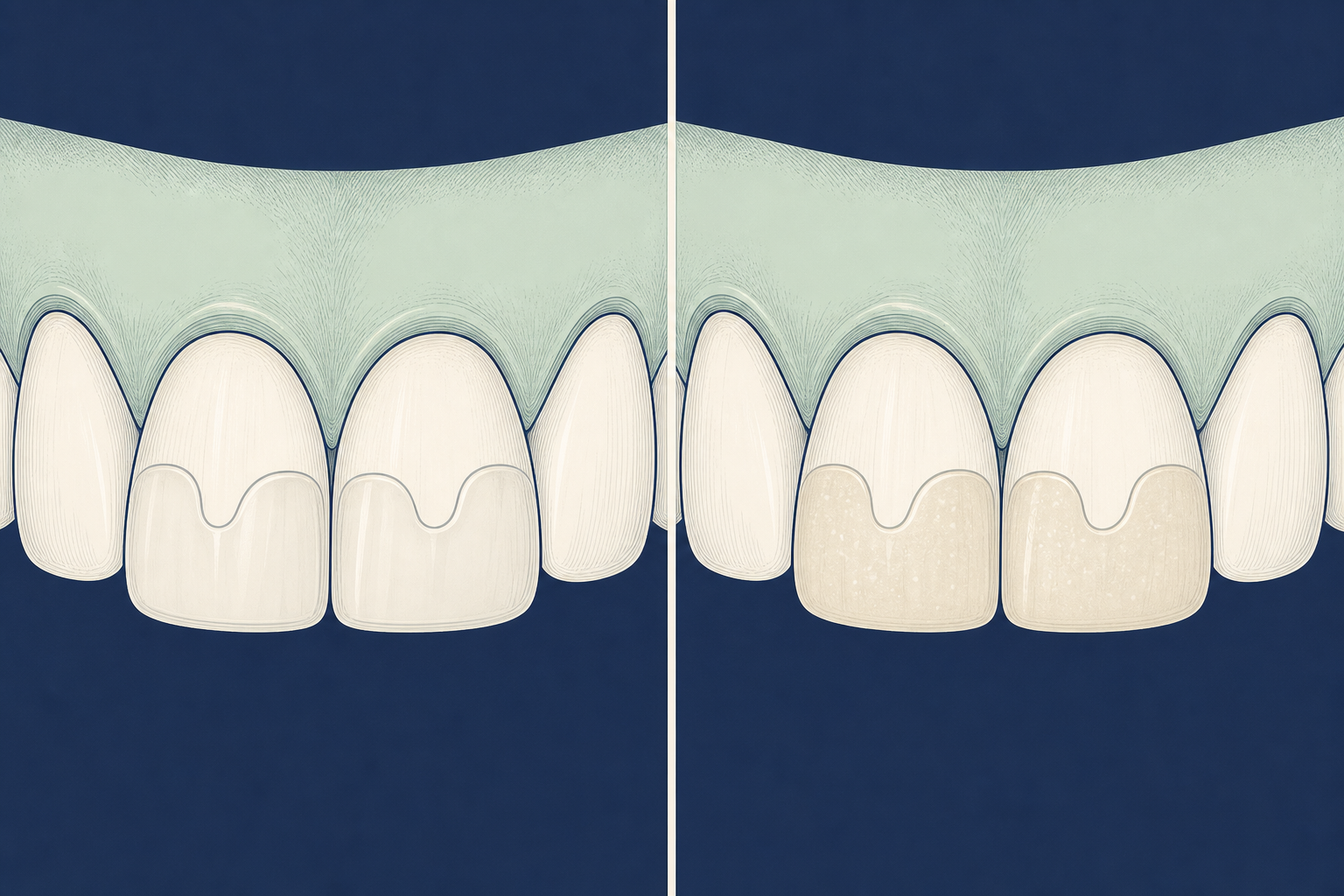
Illustrative diagram: ceramic fillings vs composite fillings
Illustration — a representative diagram, not a patient photo.
The DN First Look799 AED
Book The DN First Look

Which option does what?

How the two restorative routes differ
Decision pointComposite fillingCeramic restoration
PlacementPlaced directly onto tooth structurePrepared as an indirect restoration[1][2][3][4]
Material focusA tooth-coloured filling materialA tooth-coloured material valued for chemical inertness and wear resistance[1][2][3][4]

[1][2][3][4]

Choose composite when direct placement fits

Composite is the direct restorative route. Direct restorations generally do not require laboratory preparation, and tooth-coloured composite fillings are used to repair cavities.

[1][2][3][4]

Choose ceramic when an indirect restoration fits

Ceramic is an indirect, tooth-coloured restoration material. Its clinical use is matched to mechanical strength and chemical-solubility requirements, rather than chosen by appearance alone.

[1][2][3][4]

What changes the cost?

The two options involve different restorative routes: composite is generally placed directly on the tooth, while ceramic restoration is prepared indirectly. Laboratory preparation is therefore part of the indirect route, not the usual direct route.

[1][2][3][4]

How long do they last?

Dental fillings do not last a lifetime and may need replacement. In a review of posterior onlays, estimated survival was 94.2%, while survival fell over time and was lower with composite onlay material.

[1][2][3][4]
Maintenance and durability points
TopicWhat can happen over time
ReplacementDental fillings may need replacement over time[1][2][3][4]
Posterior onlaysThe review estimated 94.2% survival, with lower survival over time for composite onlays[1][2][3][4]

[1][2][3][4]

What can go wrong?

Ceramic can fracture if it is flexed excessively, and a hard ceramic surface can wear an opposing tooth. For composite restorations, fracture is a common reason for failure and secondary decay is also a major cause of posterior restoration failure.

[1][2][3][4]

When is neither enough?

A badly broken-down tooth may need a crown instead of a filling. Crown materials include gold or other metals, porcelain, and stainless steel, which is usually used for baby teeth.

[1][2][3][4]

What should guide the choice?

The choice begins with the restoration route: direct placement for composite or indirect preparation for ceramic. For ceramic, intended clinical function, strength requirements, fracture risk and wear on opposing teeth all matter.

[1][2][3][4]

Frequently asked questions

Can a ceramic restoration wear down the tooth opposite it?

Yes. The hardness of ceramic can cause wear damage to an opposing tooth, and ceramic can also fracture if it flexes excessively.

[1][2][3][4]